Creating a reliable source of passive income for freelancers has emerged as one of the most effective strategies to build financial stability in 2026. As the global remote workforce evolves in 2026, relying solely on client trading hours for income presents growth limits for ambitious independent professionals. While client work offers immediate revenue, recurring income models provide true financial stability. Creating a micro saas for freelancers has emerged as one of the most reliable strategies to transition from active hourly billing to scalable recurring revenue.
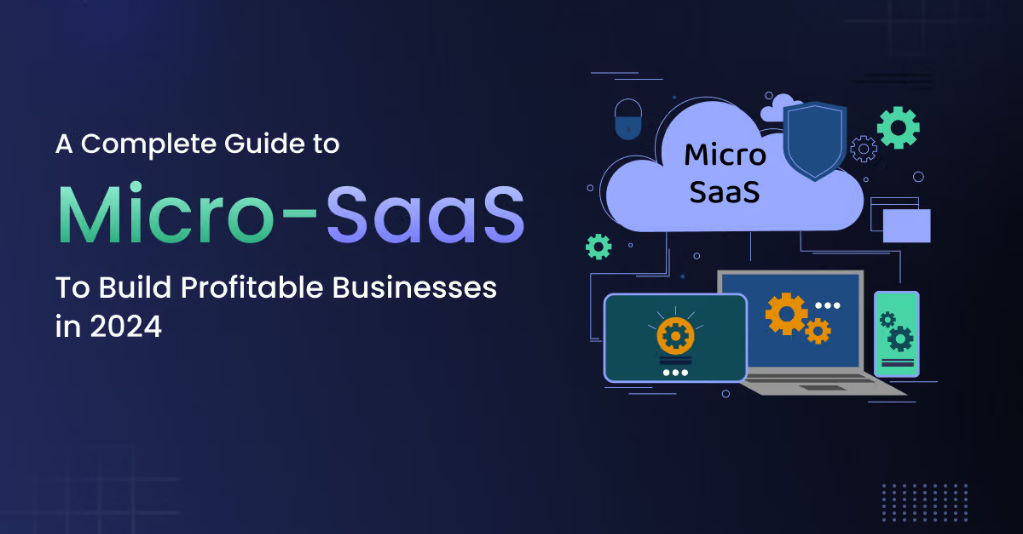
1. What is Micro-SaaS and Why Does It Matter?
A Micro-SaaS (Software as a Service) is a minimal, highly focused software product created to solve one specific problem for a niche target market. Unlike massive enterprise software platforms that require engineering teams and million-dollar venture capital funding, Micro-SaaS solutions are typically built, managed, and owned by solo developers or small freelance teams.
For independent contractors, building a small software tool means leveraging existing technical knowledge or client insights to create an asset that generates predictable monthly subscription income.
Table of Contents
2. Why Freelancers Are Ideally Positioned for Micro-SaaS
Freelancers possess a major unfair advantage when building software products: direct exposure to daily operational bottlenecks.
- Real Client Insights: Through regular client engagements, you encounter repetitive manual tasks, administrative overhead, and broken workflows firsthand.
- Domain Expertise: A freelance web designer knows exact design asset management struggles, while a freelance copywriter knows content auditing pain points.
- Low Initial Overhead: You don’t need large upfront investments; you can launch lean versions using existing skills and affordable server infrastructure.
3. Identifying High-Impact Micro-SaaS Ideas
Finding a viable software concept does not require reinventing the wheel. Look closely at your daily client workflows and note areas where automation or simplified management saves time:
- Internal Tools & Utilities: Convert custom internal scripts, Google Sheets macros, or automation webhooks you built for clients into a simple web-based dashboard.
- Niche Industry Plugins: Build custom WordPress plugins, Figma widgets, or Chrome extensions targeting specific user roles.
- Template & Workflow Automation Generators: Create lightweight tools that auto-generate proposals, invoices, or project scoping briefs for remote workers.
4. How to Build Micro-SaaS for freelancers Without Heavy Coding Skills
In 2026, technical barriers to software creation are minimal. You do not need a computer science degree to launch functional digital products:
- No-Code & Low-Code Builders: Platforms like Bubble, FlutterFlow, and Webflow allow freelancers to design full visual web apps and database logic without manual backend programming.
- AI-Assisted Development: Modern AI coding assistants can generate boilerplate code, debug API endpoints, and accelerate full-stack web application development for beginner builders.
- Pre-Built Starter Kits: Use open-source boilerplates for user authentication, payment processing (Stripe/PayPal Integration), and database hosting to skip standard administrative setup.
5. Step-by-Step Launch Checklist micro saas for freelancers
To validate and publish your product without disrupting active client deliverables, follow this lean framework:
- Validate the Core Pain Point: Speak with peer remote professionals or community groups to confirm others experience the exact problem you are solving.
- Build a Minimum Viable Product (MVP): Focus strictly on the single primary feature that solves the problem. Avoid feature bloat during initial builds.
- Set Up Automated Payments: Integrate simple recurring billing plans using secure merchant processors.
- Gather Initial Beta Testers: Offer free or discounted access to 10–20 active freelancers in exchange for detailed usability feedback and testimonials.
Read also : AI Ethics & Fact-Checking: How Freelancers Can Avoid AI Errors
6. Marketing Your Micro-SaaS on a Freelancer Budget
Launching the software is only half the battle; acquiring initial recurring users requires systematic organic distribution:
- Leverage Existing Network: Share your product development journey on LinkedIn, Twitter/X, and freelance communities.
- SEO & Content Marketing: Publish targeted guides, tutorials, and case studies answering exact problems your software addresses.
- Product Directory Launches: Submit your finished product to community platforms like Product Hunt, Indie Hackers, and specialized directory listings.
Final Thoughts
Transitioning from active service client deliverables to scalable digital products is one of the most rewarding career shifts an independent professional can execute. By building a simple, targeted micro saas for freelancers, you create long-term financial leverage while solving real-world problems for your industry peers. Start small, validate early, and build your digital asset step-by-step in 2026.