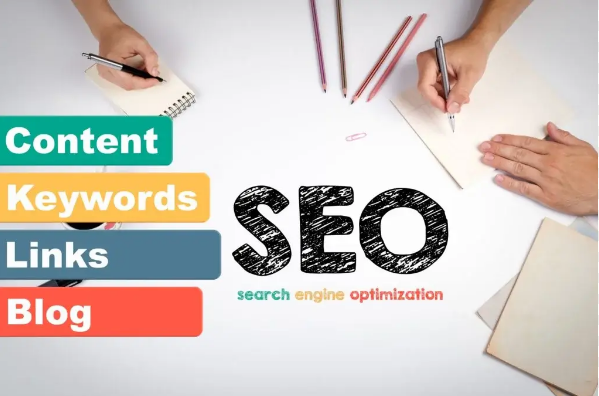
SEO (Search Engine Optimization) Content Writing involves creating content that provides real value to human readers while structuring it so search engine algorithms can easily discover, index, and understand it.
1. Understanding Search Intent
Before writing, you must understand what the user is looking for when typing a query into the search bar:
- Informational Intent: The user wants to learn about a topic (e.g., “What is SEO content writing?”).
- Transactional Intent: The user wants to make a purchase or take action (e.g., “Buy SEO writing tools”).
- Navigational Intent: The user is searching for a specific website or brand.
2. Strategic Keyword Research
Keywords are the search terms people enter into Google.
- Primary Keyword: Choose one main keyword for your article (e.g., SEO Content Writing Tips).
- Long-Tail Keywords: Use longer, more specific phrases that have lower competition and higher conversion potential (e.g., How to write SEO friendly articles for beginners).
- Keyword Density: Place keywords naturally throughout the introduction, subheadings, and main text. Avoid “keyword stuffing,” as search engines penalize overused keywords.
3. Formatting and Article Structure
Scannable and clean structure improves user readability and helps search engine bots crawl your page effectively:
- Headings (H1, H2, H3): Use an H1 tag for the main title, H2 tags for major sections, and H3 tags for subsections.
- Short Paragraphs: Keep paragraphs to 2–3 sentences for easier reading on desktop and mobile devices.
- Bullet Points & Lists: Break down key steps or items to make complex information quick to digest.
4. Crafting Meta Titles and Descriptions
- Meta Title: The clickable headline shown in search results. Keep it between 50–60 characters and place your primary keyword near the beginning.
- Meta Description: A 150–160 character summary that entices users to click on your link. Include a call to action and a secondary keyword.
5. Internal and External Linking
- Internal Links: Connect your article to other relevant pages on your website. This keeps readers engaged longer and helps search engines understand your site structure.
- External Links: Link out to authoritative, trustworthy sources to back up facts, stats, and quotes, boosting your content’s credibility.
6. Originality and Fresh Content
Search engines strictly penalize duplicate or plagiarized content. Always produce original insights, updated information, and clear perspectives. Unique content builds authority and long-term search visibility.
Hey! I love your article keep it up